
Posted by Ecommersify Editorial on Sep 26th 2026
Solid Wood vs. Engineered Wood Beds: Compare the Whole Frame
Solid wood and engineered wood describe materials, not a complete quality ranking. A bed’s useful comparison includes the material in each component, the connections, the mattress-support system and the selected finish. The headboard is only one part of that picture.
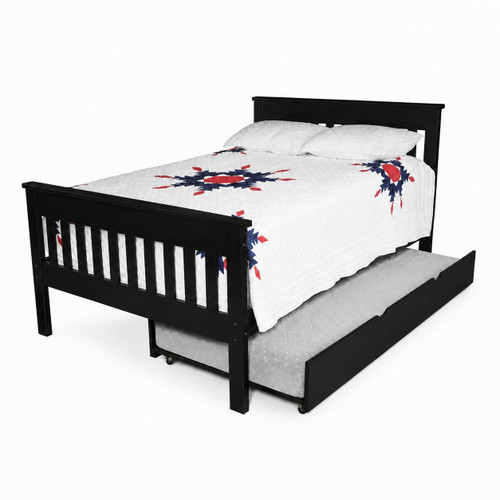
Begin with the frame you like, then look beneath the mattress and behind the decorative surfaces.
Identify the material in each part
Posts, side rails, panels and slats can use different materials. Solid wood refers to timber, while engineered wood includes several manufactured wood-based products with different constructions. Veneer describes a surface layer and does not, by itself, tell you what lies beneath it.
Read the component descriptions for the exact bed and size. A wood-grain appearance is a visual clue, not a substitute for the specification.
Put connections on the shortlist
Look at how side rails meet the headboard and footboard, and what supports the mattress between them. Ask whether the listing describes center supports, legs, slats or a foundation requirement.
In our beds and daybeds, compare the actual arrangement rather than assuming every solid wood frame is built alike. A clear underside view or assembly sheet can answer more than another photograph of a made-up bed.
Match the support to the mattress
The bed and mattress makers’ requirements must agree. Confirm whether a separate foundation is needed and whether the support arrangement suits the mattress you plan to use. Check the exact size, because a larger configuration may have different support requirements.
Our platform-versus-traditional bed guide explains the terms and how to calculate the finished sleeping height.
Compare finish and future use
Think about what matters in your home: visible grain, a painted surface, a particular profile, ease of disassembly for a move or compatibility with existing furniture. Ask about the specified cleaning method and what repair advice applies to the actual surface.
Do not assume every scratch can be refinished in the same way. The surface material and coating both matter to that question.
Plan the room and the route into it
Measure the complete outer frame, then check doorways, stairs and turns along the delivery route. Read what arrives assembled and what you will put together in the room. Keep the assembly instructions for a future move.
Choose nightstands after the mattress and frame height are understood. Their usefulness depends on the finished arrangement, not only a matching wood tone.
Make value a complete comparison
Put materials, connections, mattress support, dimensions, assembly and care on one page for each candidate. That makes it easier to see what the price includes and which design suits your priorities.
Explore the bedroom collection with that full comparison in mind. The best frame is the one whose materials and construction serve the way you will use it.