

Posted by Ecommersify Editorial on Sep 26th 2026
Amish Mutual Aid: How Neighbors Share Work and Care
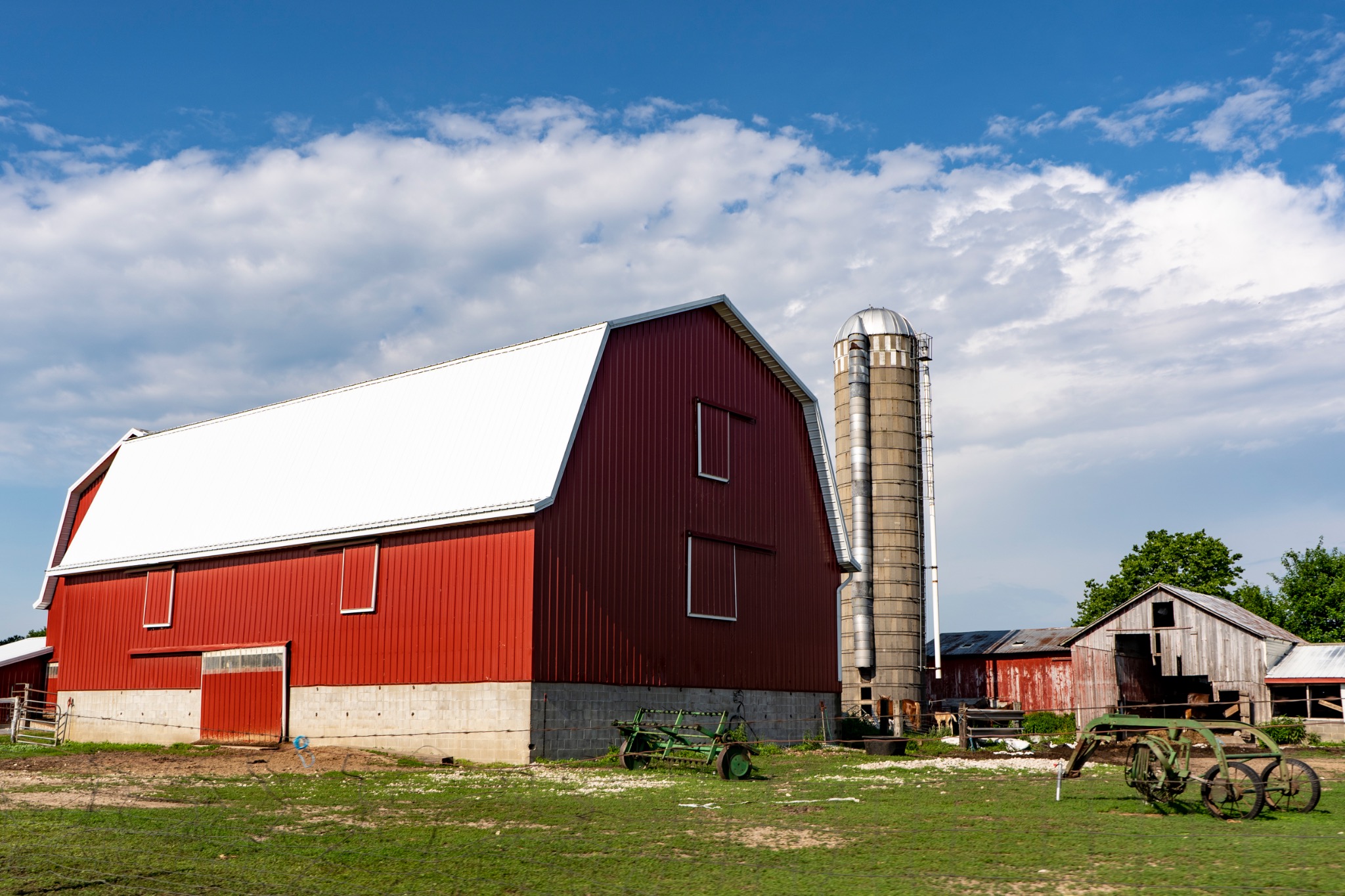
A barn raising makes community support visible: many people bring their time and skills to a task one household could not easily complete alone. Amish mutual aid also happens on a smaller scale, through the ordinary work that keeps a family going when illness, a move or an unexpected expense interrupts daily life.
The central idea is shared responsibility. Help is part of belonging to a community whose members expect to care for one another.
What can mutual aid look like?
After a fire or flood, neighbors may help clear debris and rebuild. When a farmer is injured, others may bring in the harvest. A family moving house can receive help carrying its belongings. These are practical responses to a particular need, using the labor and skills available nearby.
Money can be part of the response too. Congregations may organize special offerings for exceptional expenses, and a benefit auction or bake sale can bring additional support. Arrangements differ between communities; mutual aid is not one centrally administered program.
Why ordinary work deserves attention
A dramatic rebuilding day is easy to remember. Cleaning, cooking, preserving food and maintaining a school also take time and coordination. Family work gatherings—sometimes called frolics—combine useful tasks with time together.
The less visible jobs matter because a household’s other needs continue while a crisis is being addressed. A repaired roof is valuable; so is help with the routine that allows a family to keep functioning underneath it. Looking at both gives a fuller picture of care than a single photograph of a large event.
Extended family connects the generations
Amish family networks often remain closely involved across adulthood and old age. Older relatives may live within an adult child’s home or in an adjoining dwelling sometimes called a Grossdawdy Haus. They can remain part of the household’s relationships and activities rather than being separated from them by distance.
Family roles are not identical in every home. A farm, a home business and outside employment create different demands. The common thread is the significance of an extended network: people who know one another’s circumstances and whose responsibilities continue over time.
The religious meaning behind the help
Humility and service have a central place in Amish understandings of community. Shared work gives those commitments a practical expression. Belonging brings responsibilities as well as support; care is sustained through participation, not only through admiration for the idea.
For readers outside Amish communities, the subject raises a useful question close to home: what help would actually make another person’s week easier? It might be a meal, transport, time with a difficult task or a dependable visit. That is a reflection on the value of practical care, rather than a claim that every community organizes help in the same way.
To understand the wider religious setting, continue with Amish faith, history and everyday life. For a separate look at the work of furniture makers, explore our workshop stories and Amish-made furniture.