
Posted by Ecommersify Editorial on Sep 26th 2026
Where Do the Amish Live? Pennsylvania, Ohio and Beyond
Amish communities extend well beyond the place most often pictured as “Amish country.” Pennsylvania, Ohio and Indiana contain major concentrations, while smaller settlements are spread across many other states. Communities also live in Canada and Bolivia.
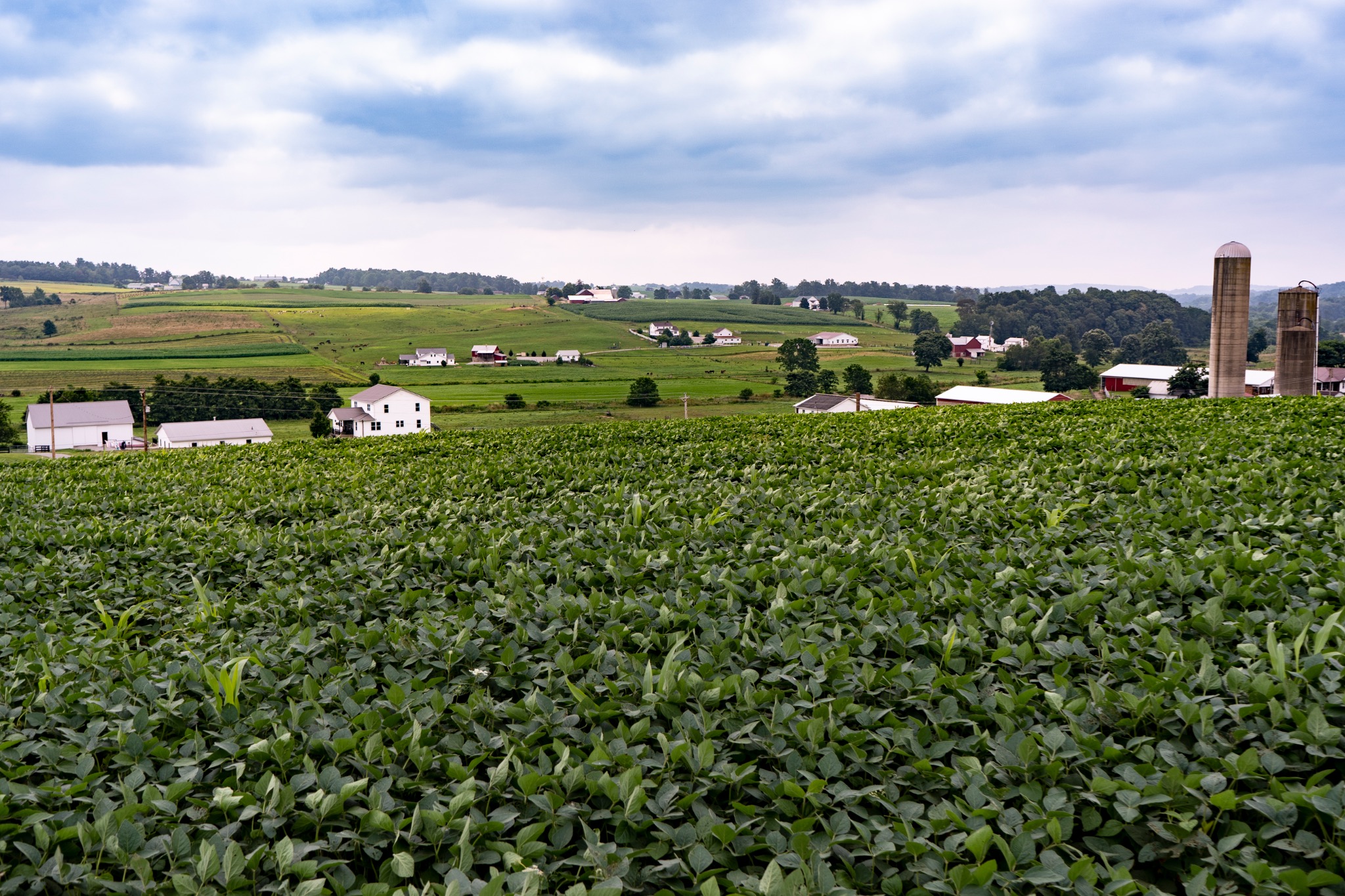
A useful way to understand this geography is to separate three things: a state, a settlement and a church district. They describe different scales of community life.
A church district is a congregation
A district typically contains about 20 to 40 households. A settlement is a geographic area containing one or more districts. One settlement can therefore include many congregations, while another may begin with only a small cluster of families.
This explains why counting settlements alone does not tell you how many people live in a state. Several small settlements can contain fewer people than a single large concentration.
A clearly dated population snapshot
The following figures are 2024 estimates, included as a historical comparison rather than a count of today’s population. They include adults and children in horse-and-buggy Amish groups.
| State | Estimated population, 2024 |
|---|---|
| Pennsylvania | 92,660 |
| Ohio | 85,965 |
| Indiana | 65,540 |
| Wisconsin | 26,365 |
| New York | 24,325 |
| Michigan | 20,690 |
The same study estimated 394,720 Amish people in the United States. Its scope excludes car-driving groups such as Beachy Amish and Amish Mennonites. Keeping the date and definition with the numbers makes comparisons meaningful.
What the map changes about our understanding
The geographic spread helps explain why one familiar tourist destination cannot stand for all Amish life. Different affiliations and local congregations maintain different practices. A visitor’s experience in one community can be interesting and real without describing every other community.
Think of a map as the beginning of a set of questions. Which settlement is being discussed? What is its history? How many local congregations does it include? Those questions bring a place into focus far more effectively than the broad label “Amish country.”
Planning a thoughtful visit
Choose a named place and consult current local visitor information before traveling. Check opening hours directly, especially when a business is small or family operated. A working community continues its normal life around visitors, so respect private property, road users and requests about photography.
If furniture shopping is part of the visit, record the maker, product name, dimensions and delivery arrangements separately from your travel notes. A memorable setting is one part of the experience; the practical information helps you bring home the right piece.
Explore the people as well as the places
Our introduction to Amish history and everyday life explains the religious and family setting behind the map. Our Amish-made furniture selection gives readers who cannot visit a workshop a way to explore available designs online.